Installation Guide for Submersible Sewage Pumps
As a leading Sewage Pump Manufacturer, understanding the proper installation of submersible sewage pumps is essential for ensuring effective waste management in residential and commercial applications. This guide offers step-by-step instructions on installing submersible sewage pumps while addressing critical considerations essential for optimal performance and longevity.
Understanding Submersible Sewage Pumps
What is a Submersible Sewage Pump?
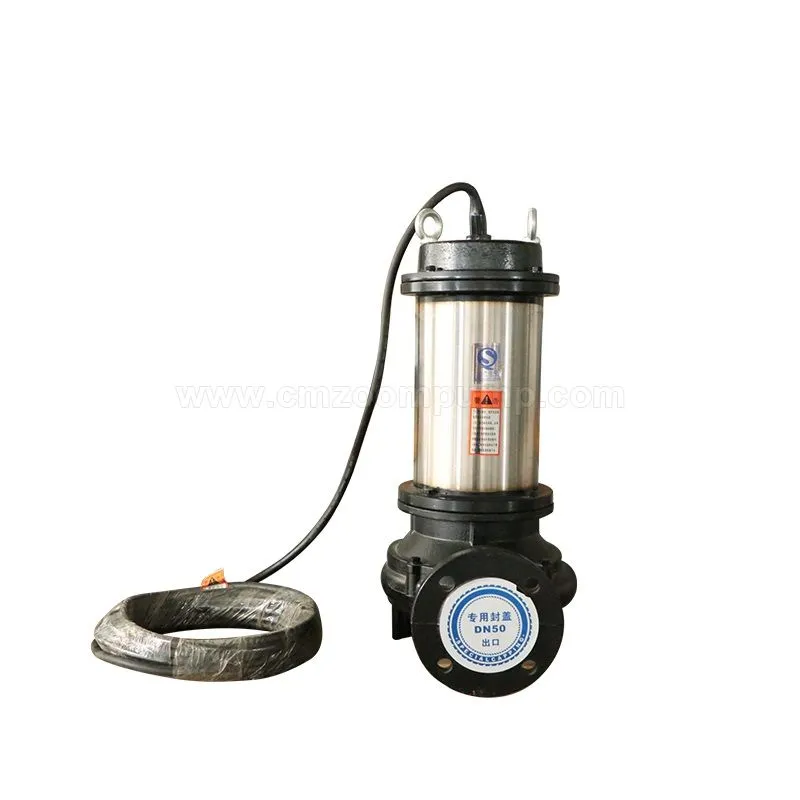
A submersible sewage pump is designed to be submerged in sewage or wastewater, effectively pumping material to a higher elevation or into a sewer line.
Applications of Submersible Sewage Pumps
These pumps are commonly used in residential drainage systems, wastewater treatment plants, and industrial applications where handling sewage and wastewater is necessary.
Essential Tools and Materials for Installation
Tools Required
Wrenches
Screwdrivers
Pipe cutters
Measuring tape
Power drill
Materials Needed
Submersible sewage pump
PVC piping
Check valve
Electrical cable
Sealant or joint compound
Step-by-Step Installation Process
1. Prepare the Installation Site
Assess the location where the submersible sewage pump will be installed. Ensure accessibility and sufficient drainage.
Mark the area for the pump well, typically with a diameter of at least 24 inches.
2. Excavate the Pump Well
Carefully dig the pump well to a depth sufficient for the pump while accommodating the adjacent plumbing. Aim for at least 3 feet deep to avoid debris.
3. Install the Pump Basin
Set the pump basin into the excavated well. Level it to ensure proper alignment.
Secure the basin using concrete or gravel, if necessary, to prevent shifting.
4. Connect the Plumbing
Attach the discharge piping to the pump. Use a check valve to prevent backflow.
Ensure all piping connections are tight and sealed with sealant or joint compound to avoid leaks.
5. Set up the Electrical Connections
Run an electrical cable from the pump to the power source, following local electrical codes (source).
Connect the power supply to the pump’s control panel, ensuring all wire connections are secure.
6. Test the System
Once installed, test the pump by filling the basin with water to activate it. Check for proper operation and inspect all connections for leaks.
Best Practices for Pump Maintenance
Regularly inspect the pump for wear and check electrical connections.
Clear debris around the pump basin to promote optimal performance.
Schedule annual professional maintenance to ensure the longevity of the pump system.
Common Installation Challenges and Solutions
Overheating
Ensure the pump is not running continuously; install a float switch to regulate operation.
Inadequate Power Supply
Confirm that the electrical supply meets the pump’s voltage and amperage requirements.
Key Considerations for Successful Installation
Consult local building codes to ensure compliance with installation standards.
Consider the pump's capacity and choose one that meets the expected sewage load.
Conclusion: Ensuring a Successful Installation
By following this comprehensive guide and utilizing high-quality components from reputable suppliers, installing a submersible sewage pump can be an effective project. Ensure ongoing maintenance and adherence to local codes to guarantee performance and longevity.


评论
发表评论